What’s New this week at Smiley? How about the newly-appointed Newbery and Caldecott Medal winners?! I’ll share the winners with you for 2023, and then backtrack a few years just to make sure you’re up to date on all of these fabulous stories.
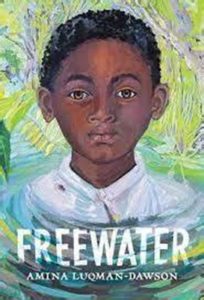 Congratulations to Newbery medal-winner Amina Luqman-Dawson who wrote Freewater. Get your name on the reserve list quickly, as it is getting checked out quickly! This story takes a look at slavery in the south with 12-year-old Homer, who makes some grown-up decisions that will change his family’s life forever. An adventurous story of survival, friendship, and so much more. You can find this book on the new book shelf.
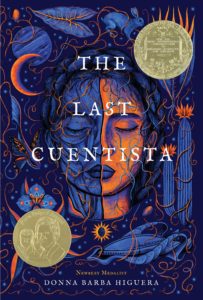 The Last Cuentista, written by Donna Barba Higuera, won the Newbery Medal last year. This story has science fiction, Mexican heritage, family, and story-telling mixed into an amazing story…no wonder it won the best book for 2022! Check it out today from the fiction section!
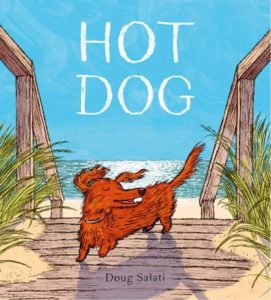 The newly-appointed Caldecott Medal winner for 2023 is Hot Dog, written by Doug Salati. A wonderfully illustrated, simple story, you’ll fall in love with this small, adorable, hot, dog! What a treat for us to read this book about the hot days of summer!
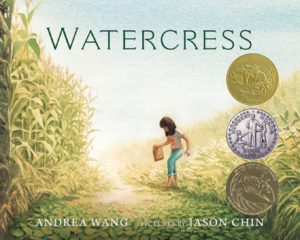 “Watercress,” written by Andrea Wang, and illustrated by Jason Chin, won the Caldecott Medal last year. A beautiful autobiographical story of Chinese heritage, a child of immigrants learned about her family history while out on a family drive. Check out this wonderfully illustrated story today and maybe share with your children the story of your family’s journey.
Come by the Young Readers’ Room to check out these award-winners and more! Be sure to ask the Youth Services Crew for recommendations–we’re happy to help!
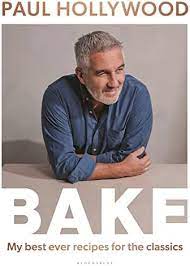 If you are at all familiar with the show, “The Great British Bake Off!,” then you may recognize one of its judges, Paul Hollywood. “
 Calling all dessert lovers, this next book is definitely for you! Claire Saffitz agrees that a meal isn’t complete without a little something sweet. Her latest book, “
 When you hear the phrase ‘comfort food,’ what comes to mind? For some, it might be a warm frosted cinnamon roll, chocolate chip cookies, or a bowl of peach cobbler with vanilla ice cream. For others, it may be a fondly-remembered childhood meal, such as baked macaroni and cheese, chicken tamale pie, or a hearty beef stew with sour cream and onion biscuits. You can find recipes for all of the above and many more mouthwatering dishes in “
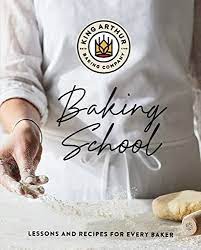 King Arthur Baking Company invites home bakers of all skill levels to join their next class. The company has a school campus located in Norwich, VT, and a second one in Skagit, WA. If you are unable to attend in person, then you’ll want to check out their new book, “
 “
“ “
“ Franny Choi explores generation trauma in her latest work, “
 Are you in the mood for a twisty spy novel set in 1850s London, like “
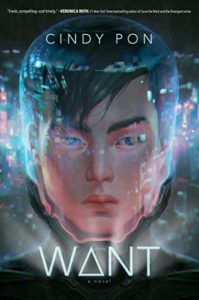 Reading YA book reviews for teens, by teens, is one thing, but here’s another: you can write your own YA book reviews for A.K. Smiley Public Library’s Teen Underground and simultaneously earn community service hours. It’s a real win-win situation, teens. You choose a book to read for fun (not a school assignment), available from our physical or digital Young Adult collection, read it, and then let your pen fly. Email us at
 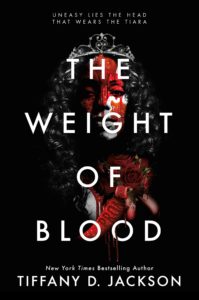 And of course, I can’t leave you without telling you about the latest book that kept me up all night. It’s Tiffany Jackson’s “
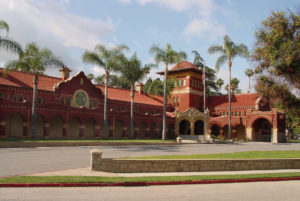 2023 has arrived and A.K. Smiley Public Library is here to help you make, and hopefully, keep your New Year’s resolutions. Regardless of your optimistic plans for the year, we have books and other resources for you!